رؤية نحو المستقبل
منظمة تنموية غير ربحية

الاتصال

الفعاليات
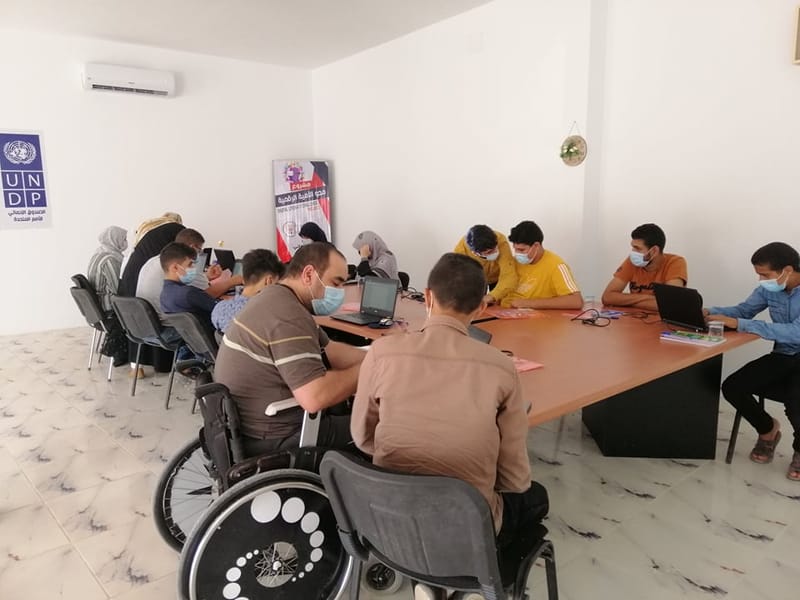
تدريب حول محو الامية الرقمية و خدمة العملاء بدعم من الصندوق الانمائي لامم المتحدة UNDP و الشعب اليباني حيث كان إجمالي الدعم المقدم بقيمة 80,000 الف دينار ليبي Training on digital literacy and customer service with the support of the United Nations Development Fund (UNDP) and the Japanese people, where the total support provided was worth 80,000 LYD
هذه مقالة حدث، تستخدم للكتابة عن الأحداث المخطط لها والمستقبلية على موقع الويب الخاص بك. يمكنك تعديل كل هذا النص من علامة التبويب الصفحات بالنقر على الزر تعديل.
هذه مقالة حدث، تستخدم للكتابة عن الأحداث المخطط لها والمستقبلية على موقع الويب الخاص بك. يمكنك تعديل كل هذا النص من علامة التبويب الصفحات بالنقر على الزر تعديل.

هذه مقالة حدث، تستخدم للكتابة عن الأحداث المخطط لها والمستقبلية على موقع الويب الخاص بك. يمكنك تعديل كل هذا النص من علامة التبويب الصفحات بالنقر على الزر تعديل.
تهدف هذه الدورة التدريبية إلى تزويد المشاركات بالمفاهيم الأساسية لاستخدام الحاسوب والبرامج المكتبية، بالإضافة إلى تعليمهن كيفية التعامل مع الإنترنت واستخدامه بطريقة آمنة.
يتم تنفيذ هذا المشروع من قبل المنظمة الهندسية للتنمية والتطوير و بالتعاون مع منظمة ممكن - Moomken و بالشراكة مع UNDP Libya و وزارة الحكم المحلي - ليبيا و بدعم من European Union in Libya / الإتحاد الأوروبي في ليبيا
#تآزر #اقتصاد_مشترك_نجاح_واحد".قم بالتفعيل لعرض الصورة المكبرة،
تعتبر الصيانة الكهربائية أحد الأعمال ذات الطلب العالي في سوق العمل، وتعد مهارة قيمة يمكن الاستفادة منها في العديد من المجالات. تهدف هذه الدورة إلى تزويد الشباب المشاركين بالمعرفة والمهارات اللازمة لصيانة الأنظمة الكهربائية في المنازل.
يتم تنفيذ هذا المشروع من قبل المنظمة الهندسية للتنمية والتطوير و بالتعاون مع منظمة ممكن - Moomken و بالشراكة مع UNDP Libya و وزارة الحكم المحلي - ليبيا و بدعم من European Union in Libya / الإتحاد الأوروبي في ليبيا
#تآزر #اقتصاد_مشترك_نجاح_واحد".
نشكر كلا من المجلس المحلي تاورغاء و المجلس المحلي للشباب ببلدية تاورغاء علي تعاونهم معنا لنجاح هذا المشروع .
يتم تنفيذ هذا المشروع من قبل المنظمة الهندسية للتنمية والتطوير بالتعاون مع منظمة ممكن - Moomken و الشراكة مع UNDP Libya و وزارة الحكم المحلي - ليبيا و بدعم من European Union in Libya / الإتحاد الأوروبي في ليبيا
#تآزر #اقتصاد_مشترك_نجاح_واحد".
عدل صفحة "حول" من علامة التبويب الصفحات بالنقر على الزر تعديل.
حول
مشروع #تحقيق الاستقرار و بناء السلام و الذي يستهذف بلدية #الخمس و بلدية # زليتن
تمثل منظمات المجتمع المدني منابر قوية لتحسين حياة الليبيين من خلال الدعوة إلى الحل السلمي للصراعات، وإشراك المواطنين، وإعطاء صوت لأكثر الناس ضعفاً حيث انطلقت بمركز اعمال زليتن للمشروعات الصغرى و المتوسطة حيث تم تقسيم المجوعات الي 3 مجموعات ببلدية الخمس و زليتن لاعطائهم دوراة مكثفة حول فض النزاع و بناء السلام و تعزيز التماسك الاجتماعي حيث شاركه في هذه الدولار عدد كبير من النشطاء المدنيين و المهتمين بالشأن العام .
يأتي هذا المشروع
للنهوض ببناء السلام على الصعيد المحلي، والصمود وتمكين المرأة من خلال مجموعة واسعة من الأدوات والتي تتمثل في الحملات الإعلامية أو الفنية، وعمليات الحوار، بالإضافة إلى تطوير هياكل السلام للربط بين المواطنين والسلطات المحلية، فضلا عن التدخلات المتصلة بسبل العيش.
هذه المبادرة تمت ضمن برنامج #بلديتي ، بدعم من:
European Union in Libya / الإتحاد الأوروبي في ليبيا
UNDP Libya - الصندوق الإنمائي للأمم المتحدة حيث كان التمويل بقيمة 67,650 دينار ليبي
#الهدف17
#معا_نساهم_في_بناء_السلام
حول
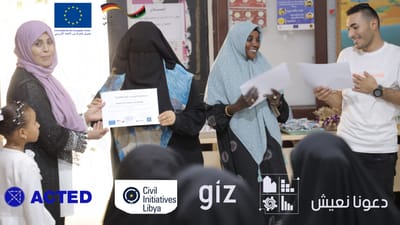
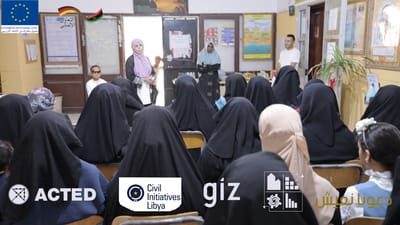
ولا بد أن ندرك أهمية الدور الذي تلعبه الجهات المانحة في تقديم المساعدات من اجل كسب العيش للنساء في #ليبيا فشكراً لكم
Civil Initiatives Libya المبادرة المدنية الليبية
GIZ Libya Programme
ACTED Libya
European Union in Libya / الإتحاد الأوروبي في ليبيا
The primary mission that we aspire to today is to encourage women to be entrepreneurs and work to build their lives in order to earn a living, as well as work together to build a better future for all.
We must realize the importance of the role that donors play in providing assistance to make a living for women in #Libya, so thank you
مشاريع
اقامت المنظمة الهندسية للتنمية و التطوير مشروع نساء قادرات و الذي يهدف الي المشاركة الفعالة للنساء في جهود بناء الدولة .
حول
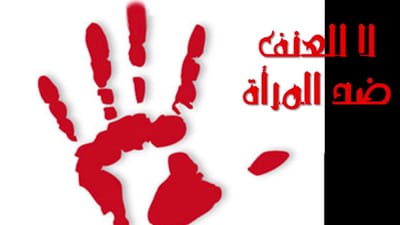
Introduction
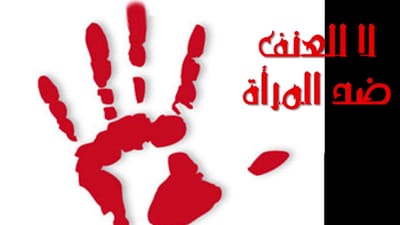
The ongoing conflict in Libya has brought immense suffering to its people, especially to women who face a significant brunt of violence and abuse. In this article, we shed light on the prevalent issue of violence against women in Libya and the urgent need for comprehensive measures to address this grave violation of human rights.
Widespread Violence Against Women
Violence against women in Libya takes various forms, including domestic violence, sexual assault, harassment, forced marriages, human trafficking, and female genital mutilation. The escalation of the armed conflict has further exacerbated this crisis, leading to a rise in sexual violence and exploitation.
Conflict-Related Sexual Violence
As the conflict rages on, women have become targets of sexual violence perpetrated by both state and non-state actors. Women are often subjected to rape, torture, and abduction, with the intention to instill fear, assert power, and extract information. Such acts of violence not only inflict severe physical and psychological trauma, but they also contribute to perpetuating a culture of fear and silence.
Domestic Violence and Cultural Norms
Violence against women is deeply rooted in cultural norms and practices in Libya. Domestic violence often remains hidden behind closed doors, with women facing abuse within their own homes. Cultural stigmas and social pressures discourage reporting and seeking help, leaving countless women trapped in abusive relationships without adequate support systems.
Human Trafficking
The ongoing conflict and lawlessness in Libya have created fertile ground for human trafficking networks. Women and girls, particularly migrants and refugees, are vulnerable to being lured into trafficking, forced into sexual slavery or coerced labor. These women often endure violence, exploitation, and a lack of access to basic rights and services.
Lack of Legal Protection and Support
Libyan legislation remains insufficient in addressing violence against women effectively. Legal provisions related to domestic violence and sexual assault are limited, and law enforcement agencies are ill-equipped to deal with these issues. The absence of a comprehensive legal framework undermines efforts to protect and empower women.
The Way Forward
To combat violence against women in Libya, concerted efforts and cooperation are required from all stakeholders, including the government, civil society, and international organizations. Here are a few crucial steps that should be taken:
- Strengthening Legal Frameworks: Enacting comprehensive legislation that criminalizes all forms of violence against women is crucial to ensure their protection and bring perpetrators to justice.
- Raising Awareness: Conduct widespread campaigns to raise awareness about women's rights, gender equality, and the negative impact of violence against women. Engaging men and boys to challenge harmful stereotypes and promote gender equality is essential.
- Establishing Support Services: Develop and expand accessible, confidential, and survivor-centered support services, including helplines, safe houses, counseling, and legal aid to ensure women have the necessary resources and support to escape violence.
- Education and Empowerment: Enhance women's education and economic empowerment opportunities to enable them to become financially independent, making it easier to break free from abusive relationships.
- International Cooperation: Encourage international collaboration to provide technical assistance, facilitate capacity-building efforts, and support the Libyan government in combating violence against women.
حول
Introduction
The ongoing conflict in Libya has brought immense suffering to its people, especially to women who face a significant brunt of violence and abuse. In this article, we shed light on the prevalent issue of violence against women in Libya and the urgent need for comprehensive measures to address this grave violation of human rights.
Widespread Violence Against Women
Violence against women in Libya takes various forms, including domestic violence, sexual assault, harassment, forced marriages, human trafficking, and female genital mutilation. The escalation of the armed conflict has further exacerbated this crisis, leading to a rise in sexual violence and exploitation.
Conflict-Related Sexual Violence
As the conflict rages on, women have become targets of sexual violence perpetrated by both state and non-state actors. Women are often subjected to rape, torture, and abduction, with the intention to instill fear, assert power, and extract information. Such acts of violence not only inflict severe physical and psychological trauma, but they also contribute to perpetuating a culture of fear and silence.
Domestic Violence and Cultural Norms
Violence against women is deeply rooted in cultural norms and practices in Libya. Domestic violence often remains hidden behind closed doors, with women facing abuse within their own homes. Cultural stigmas and social pressures discourage reporting and seeking help, leaving countless women trapped in abusive relationships without adequate support systems.
Human Trafficking
The ongoing conflict and lawlessness in Libya have created fertile ground for human trafficking networks. Women and girls, particularly migrants and refugees, are vulnerable to being lured into trafficking, forced into sexual slavery or coerced labor. These women often endure violence, exploitation, and a lack of access to basic rights and services.
Lack of Legal Protection and Support
Libyan legislation remains insufficient in addressing violence against women effectively. Legal provisions related to domestic violence and sexual assault are limited, and law enforcement agencies are ill-equipped to deal with these issues. The absence of a comprehensive legal framework undermines efforts to protect and empower women.
The Way Forward
To combat violence against women in Libya, concerted efforts and cooperation are required from all stakeholders, including the government, civil society, and international organizations. Here are a few crucial steps that should be taken:
Strengthening Legal Frameworks: Enacting comprehensive legislation that criminalizes all forms of violence against women is crucial to ensure their protection and bring perpetrators to justice.
Raising Awareness: Conduct widespread campaigns to raise awareness about women's rights, gender equality, and the negative impact of violence against women. Engaging men and boys to challenge harmful stereotypes and promote gender equality is essential.
Establishing Support Services: Develop and expand accessible, confidential, and survivor-centered support services, including helplines, safe houses, counseling, and legal aid to ensure women have the necessary resources and support to escape violence.
Education and Empowerment: Enhance women's education and economic empowerment opportunities to enable them to become financially independent, making it easier to break free from abusive relationships.
International Cooperation: Encourage international collaboration to provide technical assistance, facilitate capacity-building efforts, and support the Libyan government in combating violence against women.
مشاريع
اقامت المنظمة الهندسية للتنمية و التطوير مشروع نساء قادرات و الذي يهدف الي المشاركة الفعالة للنساء في جهود بناء الدولة .
مشاريع
بدعم من الصندق الانمائي للامم المتحدةUNDP قامت المنظمة الهندسية بتدريب 60 شاب و شابة علي مهارات الاميكروسوفت اوفس و مهات الاتصال الالكتروني و الارشفة الالكترونية .يأتي هذا المشروع ضمن مشاريع دعم الاستقرار و التماسك في المجتمعات
Training women in literacy and customer service
- With the support of the United Nations Development Fund (UNDP), the engineering organization trained 60 young men and women in Microsoft Office skills, electronic communication skills and electronic archiving. This project comes within the projects to support stability and cohesion in societies.
مشاريع
بدعم من الصندوق الانمائي للامم المتحدة UNDP و الشعب اليباني قامت المنظنة الهندسية بتدريب 15 سيدة علي مهارات الخياطو و التطويز و ايضا تصنيع 3000 كمامة و 1500 قاون طبي و واقي الوجه 1200 لدعم مستشفي زليتن الطبي و مستشفي الجمعة للنساء و الولادة .
فعاليات
تحصل المنظمة الهندسية للتنمية والتطوير للتنمية التامية علي التوالي علامة التميز ضمن افضل تلات منظمات محلية في بلدية زليتن حيث تم تكريمنا من قبل مفوضية المجتمع المدني طرابلس
مشاريع
مشروع إنشاء ممر خاص بذوي الاعاقة علي شط البحر زليتن
بدعم من منظمة اكتد و giz و الاتحاد الاروبي قامت المنظمة الهندسية للتنمية و التطوير بإنشاء ممر خاص بذوي الاعاقة علي شط البحر زليتن بطول 60 متر وعرض 2متر لتسهيل حركة الاشخاص ذوي الاعاقة عند ذهابهم الي البحر .
م نسيم بن حليم
